

The fertility sector 2025/26
UK official statistics on HFEA licensed clinics (1 April 2025 – 31 March 2026)
Published: October 2026
Download the underlying dataset as Excel Worksheet
Table of contents
- How we regulate
- Summary
- Section 1: Inspections
- Section 2: Non-compliances
- Section 3: Clinics licensed
- Section 4: Incidents
- Section 5: OHSS
- Section 6: Patient complaints about clinics
- Section 7: Patient feedback
- About our data
- About the HFEA
How we regulate
The Human Fertilisation and Embryology Authority (HFEA) is the independent regulator of fertility treatment and human embryo research in the United Kingdom (UK).
We aim to ensure that everyone who steps into a licensed fertility clinic receives high-quality care and we do this by licensing, inspecting and setting standards. We also provide free, clear and impartial information about fertility treatment, clinics, and egg, sperm, and embryo donation.
Our ‘The Fertility Sector 2025/26’ report is a summary of what we have seen through our regulatory work during the year. The report highlights the number and type of non-compliances found on inspection.
Summary
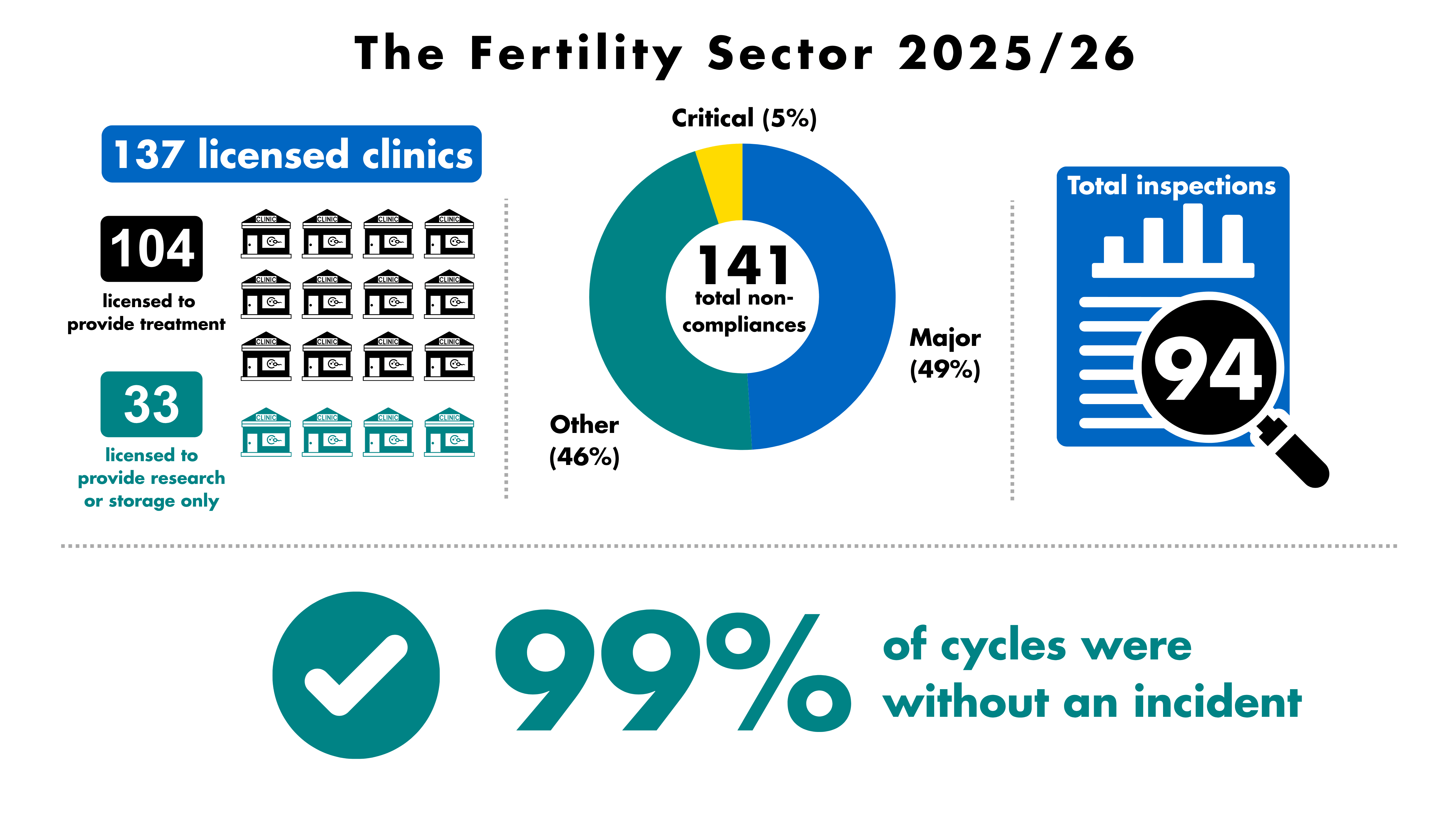
The number of incidents remains low across the sector
Our Fertility treatment 2024: trends and figures report showed that 53,000 patients had IVF treatment during 2024. What we have found in The Fertility Sector report for 2025/26 is that over 99% of cycles have taken place without a reportable incident.
Although this report does show an overall increase in the number of incidents reported to the HFEA over the last year, we consider this a positive trend. The reporting of incidents is evidence of a responsible, transparent sector, with a willingness to share and act on learnings from incidents to benefit patients.
The greatest increase in incidents has been in the lowest grade - Grade C
There is a more detailed explanation of what this means in section 4 of this report, but it includes a rise in incidents relating to clinic administration and laboratory operator incidents.
The HFEA works closely with clinics when incidents occur, and we continue to monitor trends over time to ensure that any learnings from incidents are shared and acted upon.
There has been a high level of interest in both sperm and egg donation in the last year
The HFEA provided oral and written evidence to the Women and Equalities Committee inquiry into egg donation and freezing.
The process of donating eggs is generally very safe. However, clinics must do everything possible to prevent and manage any risks, including Ovarian Hyperstimulation Syndrome (OHSS) where clinics are required to report severe and critical cases as an incident.
The case of a sperm donor who (unknowingly) carried a genetic mutation that caused cancer raised concern over how many children can be born from one donor (in this case over 197 children have been born across 14 countries). The donor had not been used in UK clinics, but if a genetic condition is diagnosed in a donor that had been used in UK treatment, clinics would report this to the HFEA via the incident reporting system.
There is great concern about the prolific use of unregulated private sperm donation
It is always safer for those having fertility treatment to undergo treatment within an HFEA licensed clinic, where laws and guidance are in place to protect and support patients and donors.
We also continue to see the growth of online fertility services which look to patients like a fertility clinic but are not licensed to provide treatments regulated by the Human Fertilisation and Embryology Act (1990).
The HFEA has made recommendations for law reform in this area and will continue to press for change.
1. Inspections
The HFEA carried out 94 inspections in 2025/26, an increase from 88 in 2024/25 (Figure 1), which is in line with our standard inspection cycle. There were four initial inspectionsI, 50 renewal inspectionsI and 37 interim inspectionsI in 2025/26.
Three additional inspections were carried out in 2025/26, including two variation of premisesI and one variation of licensed activitiesI.
Figure 1. There were 94 inspections undertaken in 2025/26
Number of inspections by type, 2021/22-2025/26
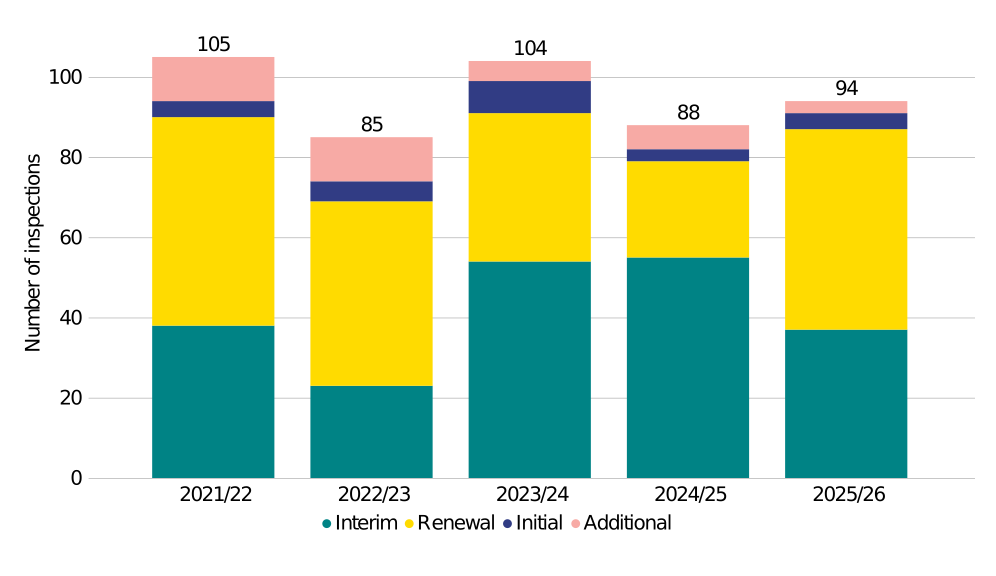
Note figure 1: Interims included three focused inspections. Additional inspections included two variation of premises and one variation of licensed activities.
Download the underlying data for Figure 1 as Excel Worksheet
2. Non-compliances
A total of 141 non-compliances were identified during inspections in 2025/26 (Figure 2), ten more than the previous year.
Reassuringly, about a third of clinics inspected in this period were fully compliant with the law and our guidance.
(For more information see the underlying dataset)
Almost a third (29%) of clinics with treatment or storage licences that were inspected in 2025/26 were fully compliant with the law and guidance at the time of inspection. Of the 71% of clinics with non-compliances, the average number found per clinic was 2.6.
Of these 141 non-compliances - 69 were classified asII ‘major’, 65 as ‘other’, and seven as ‘critical’.
The proportion of critical non-compliances has remained consistent at 5%, which is the same as the previous year.
From 1 June 2025, where a deviation from guidance does not pose a significant risk to patients, staff, donors, donor-conceived people, gametes or embryos, then an ‘Observation’ is noted in the inspection report rather than a non-compliance.
Observations are areas where a centre has deviated from guidance (HFEA Code of Practice or professional body guidance). Read more about observations.
Figure 2. The decrease seen in the number of non-compliances in 2024/25 has remained in 2025/26
Number of non-compliances by severity, 2021/22-2025/26
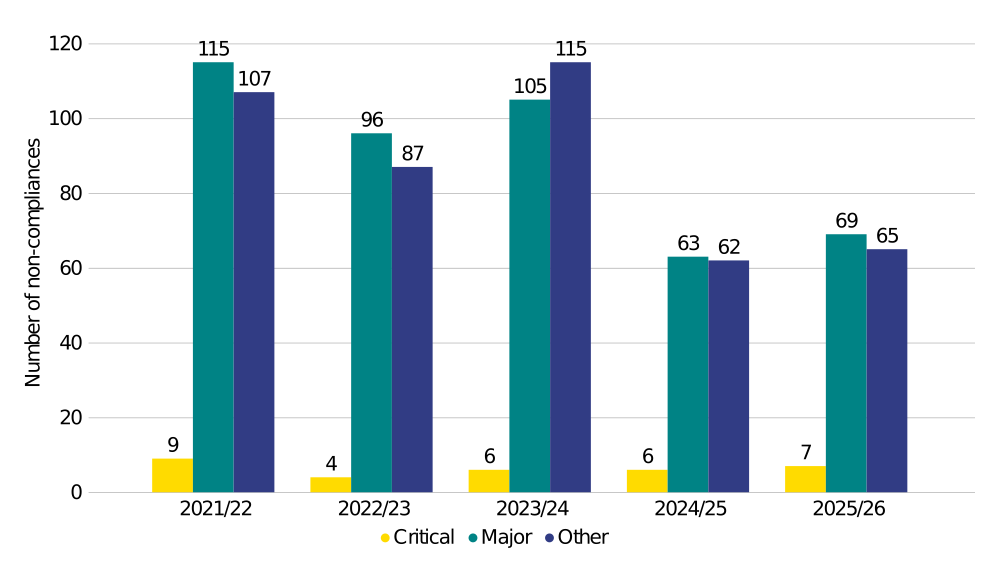
Note figure 2: This data includes non-compliances identified at treatment and storage clinics, and excludes non-compliances identified at research only clinics.
Download the underlying data for Figure 2 as Excel Worksheet
3. Clinics licensed
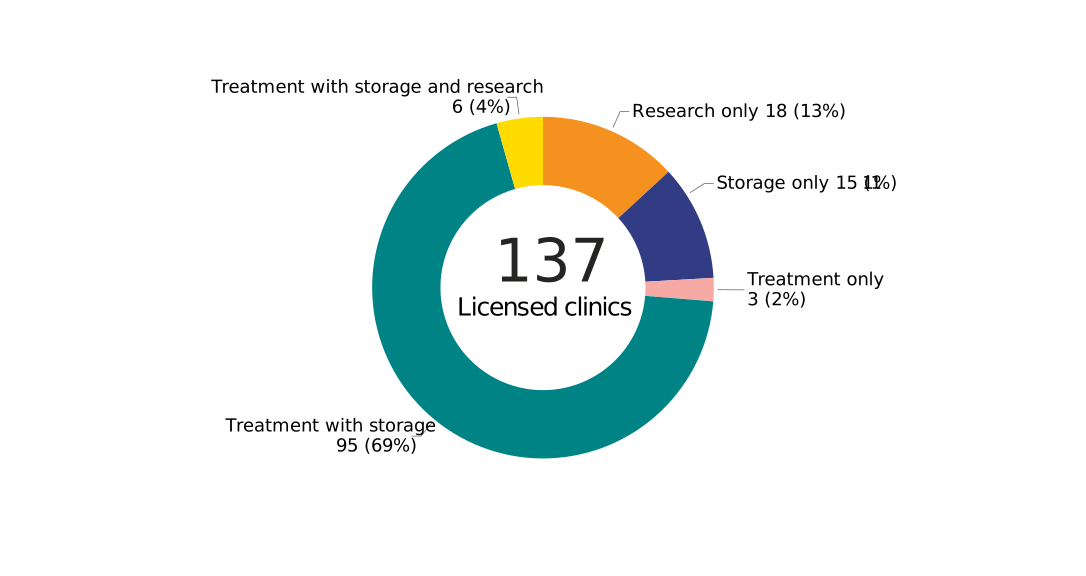
There were 137 clinics licensed by the HFEA in 2025/26. Three new clinics opened and seven voluntarily revoked their licenses.
104 fertility clinics were licensed by the HFEA to provide fertility treatment in the UK (Figure 3). A further 18 establishments were licensed to undertake research and 15 to provide storage only.
Of the 104 licensed fertility clinics, 70 (67%) were privately owned. It should be noted that most HFEA licensed clinics, whether private or NHS, treat both NHS and self-funded patients.
Of the 70 private clinics, most (47) are owned by clinic groups. Further information about clinics is available in the underlying dataset and Choose a Fertility Clinic.
London is the area with the highest number of clinics (35 clinics), followed by the North West, South East and West Midlands (nine clinics each). Northern Ireland and Wales had the fewest clinics at three and four respectively (Figure 4).
Figure 3. Most clinics are licensed by the HFEA for treatment and storage
Number of licensed clinics by licence type, 2025/26
Download the underlying data for Figure 3 as Excel Worksheet
Figure 4. London had the highest number of HFEA fertility clinics licensed for treatment
Number of licensed fertility clinics by geographical area, 2025-26
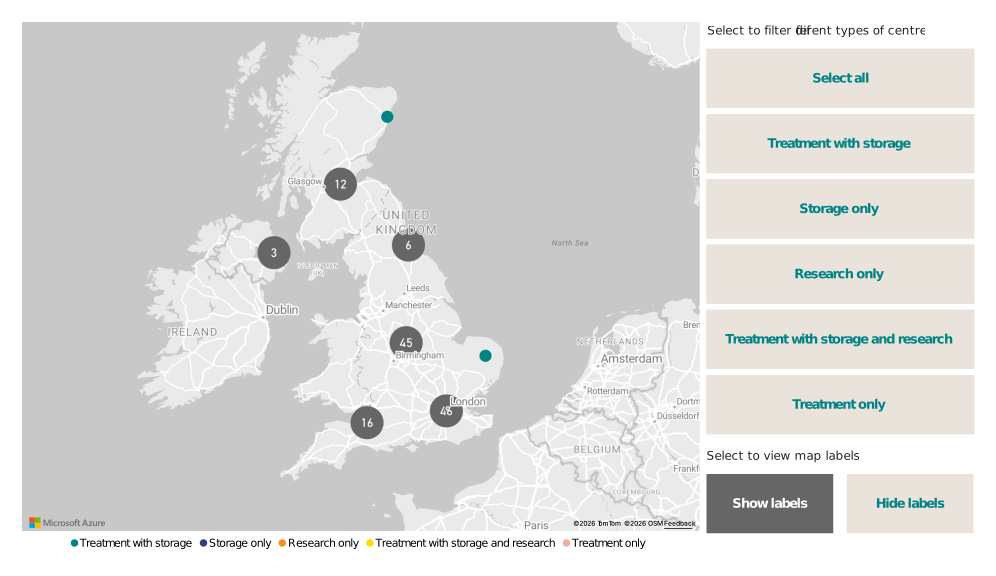
Note figure 4: This figure shows clinics licensed by the HFEA by geographical area, 2025/26.
Download the underlying data for Figure 4 as Excel Worksheet
4. Incidents
Over 99% of the more than 100,000 cycles of treatmentIII, storage, and donation cycles carried out over the last year at HFEA licensed clinics took place without incident.
There were 942 incidents, near misses and “to be assigned” cases (TBA) reported to the HFEA in 2025/26, a 19% increase from 792 reported in 2024/25.
There was one Grade A incidentIV (the most serious) reported in 2025/26, compared with none in the previous year. There were 235 Grade B incidentsIV in 2025/26, 11 more than the previous year. The total number of Grade B incidents also includes 83 severe/critical OHSS incidents.
The HFEA, in line with other healthcare regulators, promotes an open reporting culture. Healthcare professionals are more likely to learn from incidents when they feel safe reporting them internally and externally to the appropriate regulatory bodies.
When a licensed centre reports an incident to the HFEA which is graded A (serious adverse reaction or event), the centre is contacted immediately to obtain further information and agree what further action needs to be taken.
An incident inspection visit is carried out to discover why this incident occurred, and decide what action is needed to minimise the risk of a similar incident reoccurring.
Grade A incident in 2025/26
Description
During the morning assessment of embryo development, it was noted that embryos belonging to more than five patients had failed to develop as expected.
Outcome
The centre carried out an incident investigation. However, despite a full review of procedures, materials, and environmental conditions, the investigation was unable to determine an unequivocal root cause for this incident.
No regulatory action was required.
Further information on the incident can be found in the investigation and Licence Committee minutes.
The overall increase in incidents reported in 2025/26 was mainly in Grade C incidentsIV. These increased from 443 in 2024/25 to 542 in 2025/26 (+22%), due to increases in administration (+55), laboratory process (+18) and laboratory operator (+13) incidents.
One factor influencing the increase in incidents over the last year could be that following high-profile incidents in 2023/24, clinics have continued to respond to learnings shared by the HFEA, resulting in more diligent reporting of incidents.
Near missesIV reported (126 in 2025/26) have increased by 85% since 2024/25, which follow on from the increases seen in the previous two years.V
If a clinic has reported incidents, the reasons for this would be investigated on inspection.
Figure 5. More incidents are being reported by clinics in 2025/26
Number of incidents reported to the HFEA by grade, 2021/22-2025/26
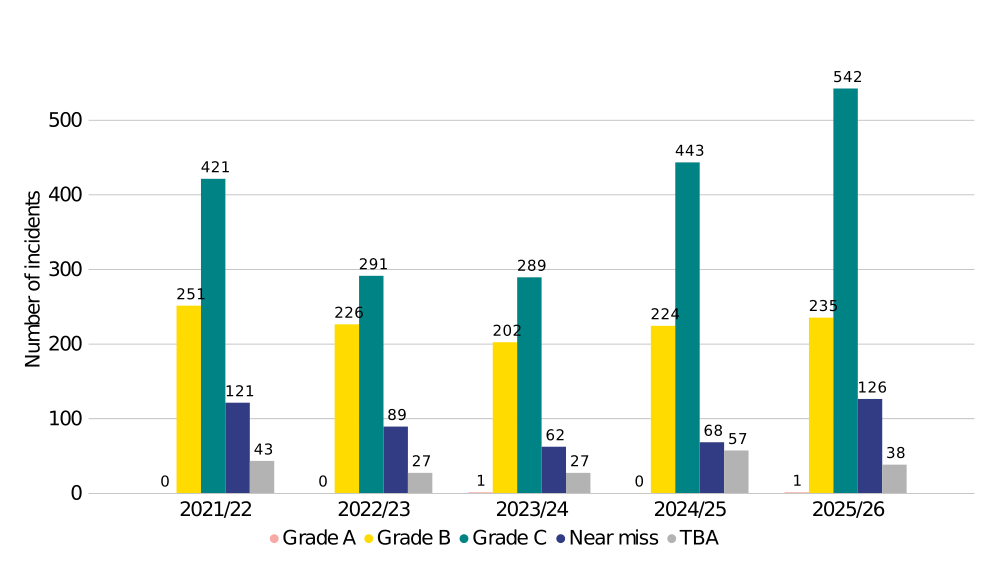
Note figure 5: The 235 Grade B incidents include 83 severe and/or critical OHSS incidents. The total number of incidents reported includes Grade A, B and C incidents, as well as near miss and TBA incidents. TBA incidents are those which were yet to be assigned a grade, or officially confirmed to be an incident, at the data cut-off date of this report. Each financial year shows a snapshot at the time of the respective fertility sector report, therefore TBA incidents from previous years will have since been assigned a grade but are not detailed in this data. Please note that grade B incidents relating to OHSS have been adjusted in Figure 7 to reflect 18 OHSS incidents being reported in 2025/26 but occurring in previous years, and therefore will not align with total incidents reported.
Download the underlying data for Figure 5 as Excel Worksheet
Most Grade C incidents that took place in 2025/26 were administrative (Figure 6)
Examples of administrative incidents as shown in Figure 6 below include:
- Hard copies of a patient’s medical records sent by post - the envelope was damaged and the records were placed into a clear plastic bag with the patient’s details showing.
- A member of staff sent an email to a few patients requesting completion of a medical questionnaire. Due to an error in email handling, recipients were included in the CC field rather than BCC, resulting in each patient being able to view the email addresses of the other recipients.
- An introductory email intended for a patient was inadvertently sent to their partner as well.
- The Notice Destruction of Embryos (NDE) sent out to patient’s new partner instead of ex-partner (gamete provider).
Figure 6. The highest number of Grade C incidents were in administration
Number of incidents by theme and grade, 2025/26
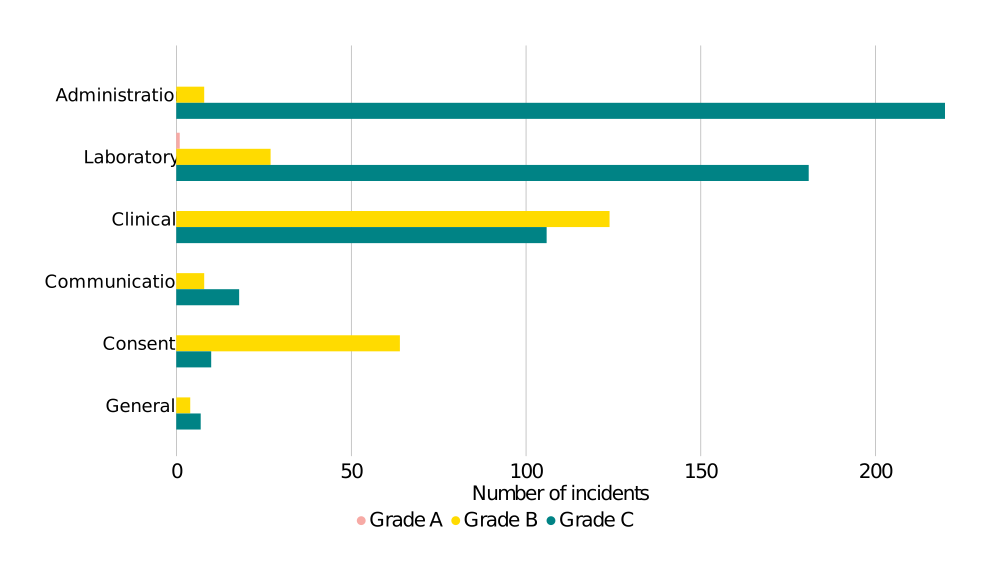
Note figure 6: This data includes 778 incidents (1 Grade A, 235 B and 542 C incidents). Some of the themes have been grouped: General contains general, security, resources/organisational; Clinical contains clinical, clinical equipment and Laboratory contains lab process, lab equipment, lab operator.
Download the underlying data for Figure 6 as Excel Worksheet
5. OHSS
In 2025/26, there were 83 cases of severe and critical OHSS reported by UK clinics, occurring in less than 0.2% of egg collection cycles.
Figure 7. Severe and critical OHSS incidents in 2025/26 are consistent with the previous financial year
Number of severe and critical OHSS incidents reported, 2021/22-2025/26
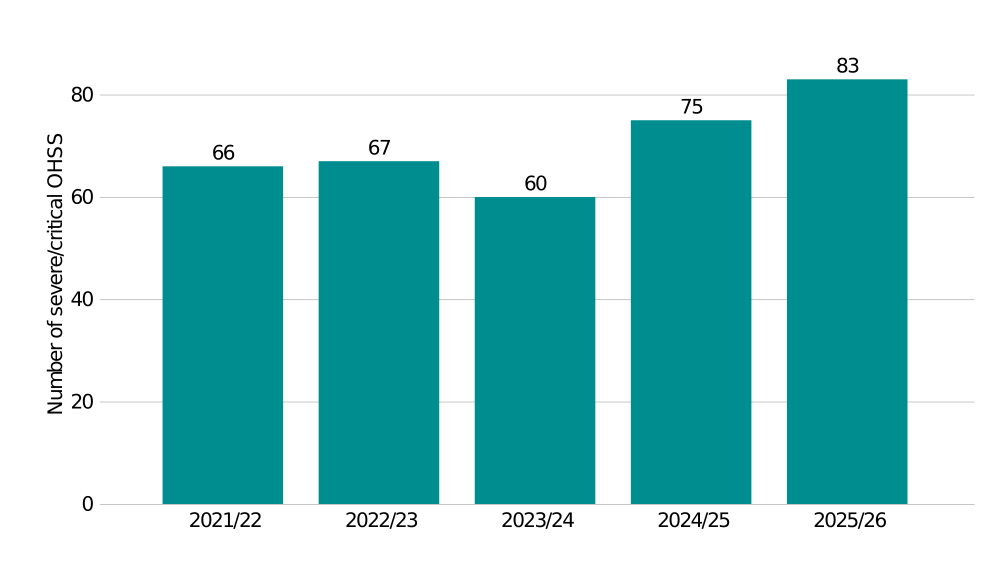
Note figure 7: This data includes severe and/or critical OHSS cases only. These severe and critical OHSS incidents are also included in the Grade B incident totals provided in Figure 5. Mild and moderate OHSS cases are not included in this data as these are not classed as incidents. 18 OHSS incidents that were reported in 2025/26 but occurred in previous years from one centre have been reallocated to the relevant financial year in which they occurred (three in 2022/23, seven in 2023/24 and eight in 2024/25).
Download the underlying data for Figure 7 as Excel Worksheet
6. Patient complaints about clinics
There were 98 patient complaints received in 2025/26, an increase of 42 from the previous year, which includes six formal complaintsVI and 92 informal complaintsVI.
This is in line with an increase in patient complaints seen in other systems.
The HFEA has a limited statutory role in investigating patient complaints as we do not have the power to force clinics to apologise or pay compensation or refunds. Patients often come to us who are seeking refunds or compensation as part of the resolution process.
Figure 8. Patient complaints in 2025/26 increased compared with the previous financial year
Number of informal and formal complaints received about clinics, 2021/22-2025/26
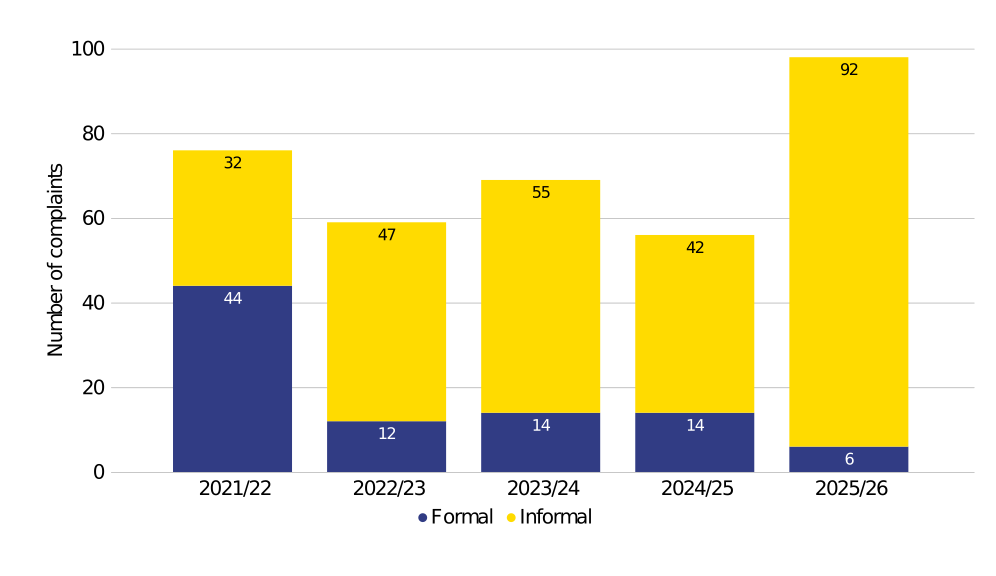
Note figure 8: From 2022/23 the HFEA changed how it handles complaints, leading to fewer being classified as formal complaints.
Download the underlying data for Figure 8 as Excel Worksheet
7. Patient feedback
Around 2,500 patients provided feedback via the Choose a Fertility Clinic webpage on clinics licensed by the HFEA in 2025/26, which is a small percentage of the overall number of patients.
Patient feedback was positive overall, with most patients (83%) reporting that they would be likely to recommend their clinic to friends or family.
94% of patients reported being treated with privacy and dignity, and 92% reported being treated with empathy and understanding by the clinic staff.
92% of patients reported that they understood everything that was happening throughout their treatment.
These findings are in line with the last HFEA National Patient Survey 2024, which found that overall patients were satisfied with their treatment and their understanding of it, and how they were treated by clinic staff.
About our data
This report is compiled from information gathered from our inspections throughout the year and other sources of information, including incident reports, patient feedback, and patient complaints.
Treatment and patient numbers provided in Table 3 of the supplementary underlying dataset are published according to the year in which the cycle was started. All 2024 cycle and patient data provided in Table 3 of the underlying dataset is from our data warehouse containing Register data as of 06 May 2026.
A full list of definitions of classifications of incidents and complaints are available in the underlying dataset. For further information, please see our Quality and methodology report.
About the HFEA
The HFEA is the UK’s independent regulator of fertility treatment and research using human embryos. Set up in 1990 by the Human Fertilisation and Embryology Act, the HFEA is responsible for licensing, monitoring, and inspecting fertility clinics and research centres – and taking enforcement action where necessary – to ensure everyone accessing fertility treatment receives high-quality care.
The HFEA is an ‘arm’s length body’ of the Department of Health and Social Care, working independently from Government providing free, clear, and impartial information about fertility treatment, clinics and egg, sperm, and embryo donation.
The HFEA collects and verifies data on all treatments that take place in UK licensed clinics, which can support scientific developments and research and service planning and delivery.
The HFEA is funded by licence fees, IVF treatment fees and a small grant from UK central government. For more information, visit hfea.gov.uk.
Contact us regarding this publication
Media: press.office@hfea.gov.uk
Statistical: intelligenceteam@hfea.gov.uk
Accessibility: comms@hfea.gov.uk
For general information about the HFEA, fertility treatments, and research activity, please visit the HFEA website.
For guidance on how to make a complaint about a clinic, please visit our Problems at your fertility clinic webpage.
Notes on The fertility sector 2025/26
- Inspections are carried out by the HFEA to assess whether clinics comply with essential requirements in providing safe and high-quality care to patients and donors. Inspections are categorised as follows:
- Initial: The first inspection in relation to a new clinic licence application, which covers all areas of regulatory compliance. New licensed clinics usually receive a licence to operate for up to two years for an initial licence, however established clinics and new clinics that are part of a fertility clinic group generally receive a licence for up to four years (five years is the maximum length of a treatment licence permitted by law).
- Interim: An inspection that assesses set themes, as well as any non-compliances identified in previous inspections. Interim inspections include a shorter site visit, are unannounced and are usually carried out at the midpoint of the existing licence.
- Focused interim: An interim inspection focused on particular areas of regulatory compliance. These can be carried out for many reasons, including as a response to a serious incident; to concerns identified in a previous inspection; to a whistleblowing event; or by request of the HFEA licence committee.
- Renewal: An inspection that includes a thorough assessment of all aspects of regulatory compliance, as well as any non-compliances identified in previous inspections. As clinics are usually granted a four-year licence, the renewal inspection is carried out every four years.
- Additional: These inspections are usually focused on a particular area of regulatory compliance, and may be carried out in a number of circumstances including by request of the HFEA licence committee, in the event of a variation of premises, in response to a serious incident and/or whistleblowing, or in the event of any other concerns identified.
- Non-compliances are graded as:
- Critical: An area of practice that poses a significant risk of causing harm to a patient, donor, embryo or to a child who may be born as a result of treatment services; or a significant shortcoming from the statutory requirements.
- Major: An area of practice that poses an indirect risk to the safety of a patient, donor, embryo or to a child born as a result of treatment services. This area of non-compliance may also indicate a major shortcoming from the statutory requirements and/or indicate a failure by the Person Responsible to carry out their legal duties.
- Other: An ‘other’ area of practice that requires improvement is any area of practice, which cannot be classified as either a critical or major area of non-compliance, but which indicates a departure from statutory requirements or good practice.
- Data from the HFEA Dashboard (updated 06 May 2026) show that in 2024 there were approximately 104,000 cycles of treatment and storage involving nearly 64,500 patients:
- Approximately 83,100 treatment cycles (around 78,300 IVF; 4,800 DI)
- Approximately 17,200 storage cycles (around 6,900 egg storage cycles; 10,300 embryo storage cycles)
- With an additional approximate 1,600 new egg donor registrations, and 800 new sperm donor registrations.
- Incidents are graded as:
- Grade A: involves severe harm to one person, or major harm to many
- Grade B: involves serious harm to one person, or moderate harm to many
- Grade C: involves minor harm
- Near miss: an event not causing harm, but with the potential to cause injury or ill health.
- At the time of writing, 38 incidents were yet to be assigned a grade or confirmed as incidents (TBA) at the data cut-off date for this report.
- Complaints are classified as:
- Formal: where the complainant has received a response from the clinic but remains dissatisfied, and/or where the clinic has entered an extensive dialogue with the complainant and at the end of this process feel they have done all they can to resolve the complaint, therefore advising the complainant to contact us. Complaints relating to an incident or complaints that relate to complex issues requiring further input from us are also classified as formal complaints.
- Informal: complaints that have not been raised with the clinic or complaints still going through the clinic’s complaint process.
Addendum
Addendum A - Observations
In 2020 a new inspection methodology was introduced which included a desk-based assessment carried out in the weeks prior to inspection. This process is now embedded, and helps clinics prepare for inspections, undertake higher quality audits, and improve their documentation and processes.
The introduction of the new methodology has allowed us to focus on areas at interim inspections where historically there had been non-compliance. This has led to a reduced number of non-compliances in the last two years, which may be due to clinics being better prepared for inspections due to the risk-based approach and desk-based assessment undertaken by the HFEA. For example, in medicines management where a sustained improvement has been observed. Other areas where improvements have been seen is in legal parenthood, donor recruitment, and quality management systems.
| Publication date: |
|---|
