

Black History Month 2026: Infertility from two perspectives
To mark Black History Month, Jonathan and Nadine, members of our Patient Engagement Forum (PEF) reflect on their fertility journeys and how GPs can better support patients.
Jonathan’s story:
Fertility can be a hard topic for many men to talk about, but for Black men, the silence can feel especially loud. As a Black man who has experienced male infertility, my journey has been one of uncertainty, emotional challenges, resilience and, ultimately, hope. I want to share my experience to help break the stigma surrounding male infertility and encourage more men to speak openly about their fertility.
My fertility journey began with a visit to the GP. I was looking for answers and hoping that my concerns would be taken seriously. Unfortunately, my experience was not what I had hoped for. I found the GP that I saw rather cold and uninterested, and I left the appointment feeling like my concerns had not been fully heard or understood. I was already dealing with something so personal, so feeling dismissed made what was an incredibly difficult situation even harder.
Thankfully, things began to improve when I was referred to a urologist. For the first time, I felt I was moving towards understanding what was happening with my body. My investigations included testosterone blood tests, a testicular ultrasound, an MRI to check my prostate, flexible and rigid cystoscopies, and ultimately, a sperm retrieval.
It was a lot to take in, both physically and emotionally. Fertility treatment is not simply a series of appointments and medical procedures; it is a journey that can challenge your confidence, relationships, and sense of self. Having a specialist who listened, investigated and helped me understand the process made a real difference.
As a Black man, I also had to navigate the stigma surrounding male infertility. Society often associates masculinity with strength, virility, and the ability to father children. In some communities, men are expected to remain strong and silent, making it difficult to admit when something is wrong. There can be an unspoken fear that infertility somehow makes you less of a man.
But male infertility does not define your masculinity, your worth or your ability to be a loving partner. It is a health issue, and men deserve the same compassion, understanding and support as anyone else experiencing fertility challenges.
My own journey has inspired me to become a male fertility advocate and establish Real Talk: Male Fertility Unfiltered, a support network where men can have honest conversations about fertility without shame or judgement. I want other men, particularly Black men, to know they are not alone and that asking for help is a sign of strength, not weakness.
Looking ahead, I believe there needs to be greater awareness of male infertility among GPs, more compassionate conversations at the first point of contact, and better education that recognises the cultural stigma some Black men face. Men who have concerns about their fertility should feel empowered to ask questions, access investigations, and be active participants in their care.
Nadine’s story:
After receiving a stage 4 endometriosis diagnosis and trying to conceive for 18 months, my husband and I decided to look into fertility treatment. The first thing we decided to do was see our GP. At our appointment, I learned that I was eligible for NHS-funded IVF, but I wasn’t sure what to expect. Nobody I knew - family, friends or colleagues - had ever talked about IVF.
As I was starting to come to terms with the fact that I would be having IVF, all my GP wanted to know was which clinic we were going to choose. Having to make such a big decision so quickly felt quite overwhelming. I wasn’t offered any information or advice in relation to choosing a fertility clinic, so I nervously suggested that I have treatment at my local NHS Trust. They oversaw my endometriosis and I was familiar with the hospital, so I knew I wouldn’t have to get used to new surroundings during what I anticipated would be an emotionally and physically challenging time.
In the weeks and months that followed, I felt like I was going into the unknown. I remember being seated in the waiting area at the clinic, looking at the information on display and noticing that no one in these advertisements looked like me. I found it difficult to relate to the process.
The staff at the clinic were friendly but I felt that they didn’t take my endometriosis into consideration. On the day of egg collection, I was in agony as I made my way to the hospital. When I arrived at the clinic, I fell to the floor in floods of tears due to the intense pain. The nurse just looked at me and asked if I was okay. There was no suggestion of why I could be feeling that way or what could help to relieve the symptoms. A couple of days after my egg collection, I was admitted to A&E with mild ovarian hyperstimulation syndrome (OHSS). The fresh embryo transfer experience was traumatic. I was experiencing an extreme amount of pain that medical professionals didn’t seem able to address and just wanted the whole experience to be over.
In recent years, the media has drawn attention to Black women’s reproductive and maternal health, so things are changing in this area. However, I think it’s important that couples who are struggling to conceive feel heard by their GPs. When couples’ concerns are dismissed, this can lead to delays that could potentially lead to them losing out on an opportunity to have a baby.
Any patient who shares concerns about their fertility should feel comfortable to do so. My advice to anyone who feels that they aren’t getting the support they need is to ask for a second opinion. I’d also suggest bringing someone along with you to your initial appointment who has experience in advocating for themselves or who has had fertility treatment. Don’t underestimate the importance of the right knowledge during your fertility journey so you can make the choice that feels right for you.
We are currently recruiting new members for our Patient Engagement Forum (PEF) and are particularly keen to hear from more Black patients. As a PEF member, you’ll get the opportunity to share your views and experiences on certain fertility-related topics and more. To learn more about PEF and apply to join the forum, click here.
About the authors:
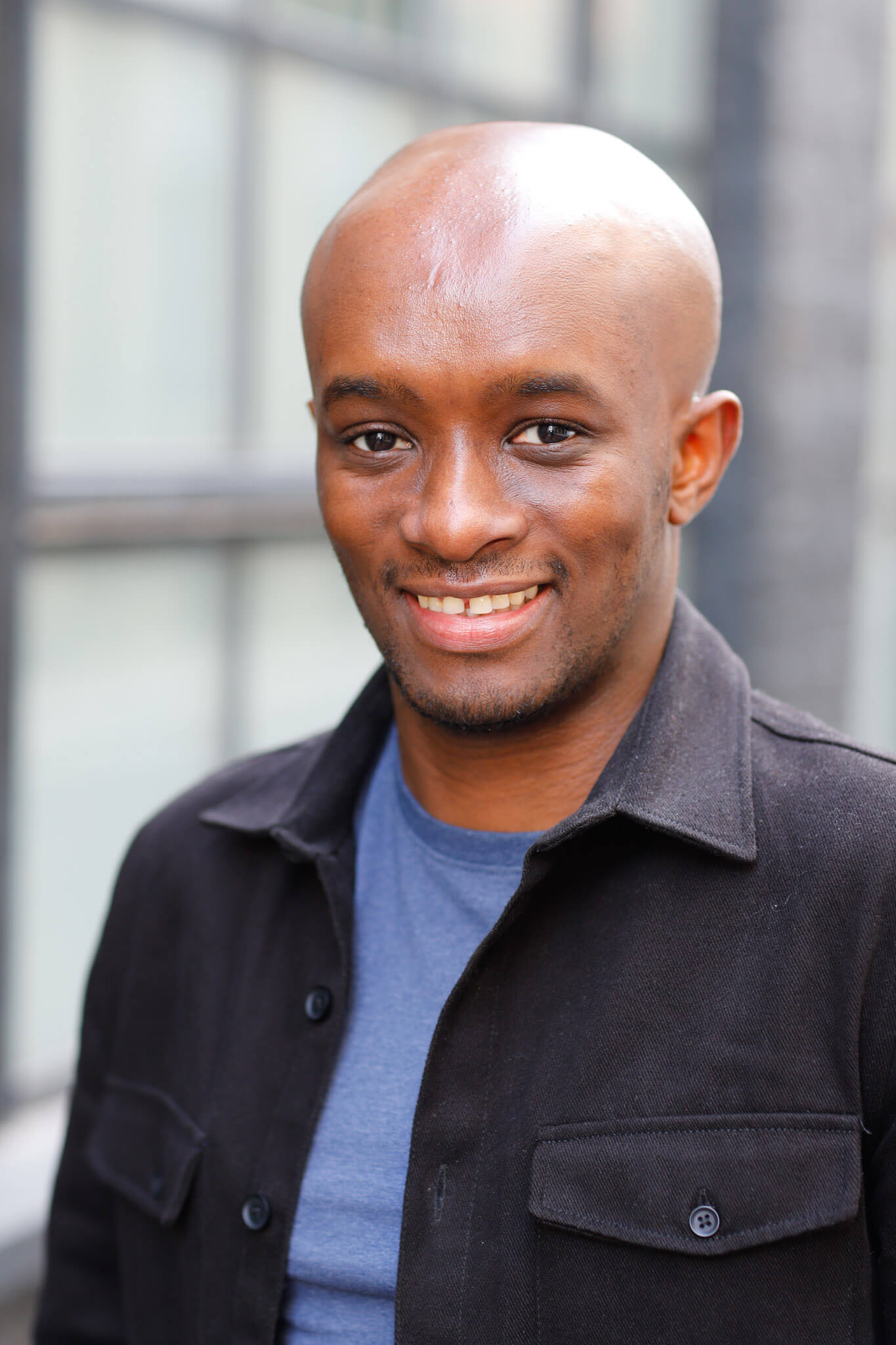
Jonathan Luwagga
Jonathan is a male fertility advocate, speaker, Fertility Alliance Ambassador and Co-Founder of Real Talk: Male Fertility Unfiltered, support network for black and brown men. Jonathan is on a mission to change the conversation around men, fertility and masculinity. Drawing on his own experience of male infertility, he speaks openly about the stigma, identity and hidden emotional impact that many men face, advocating for better education, support and understanding across workplaces, healthcare and communities.
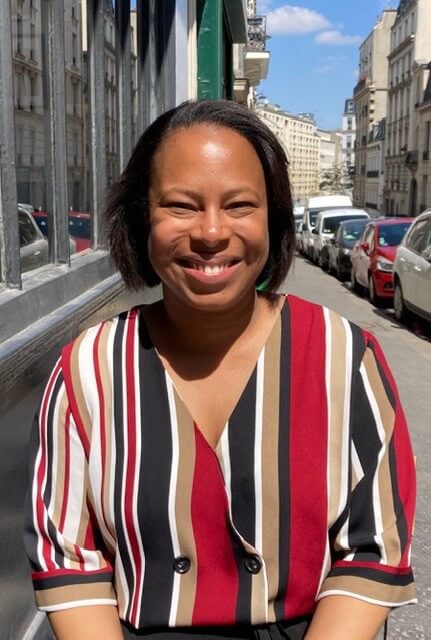
Nadine Lewis
Nadine is a careers professional who works in Higher Education. Over the last six years she has campaigned on women’s health - in particular endometriosis and infertility. After years of IVF, Nadine and her husband welcomed their son via gestational surrogacy.
| Publication date: |
|---|
